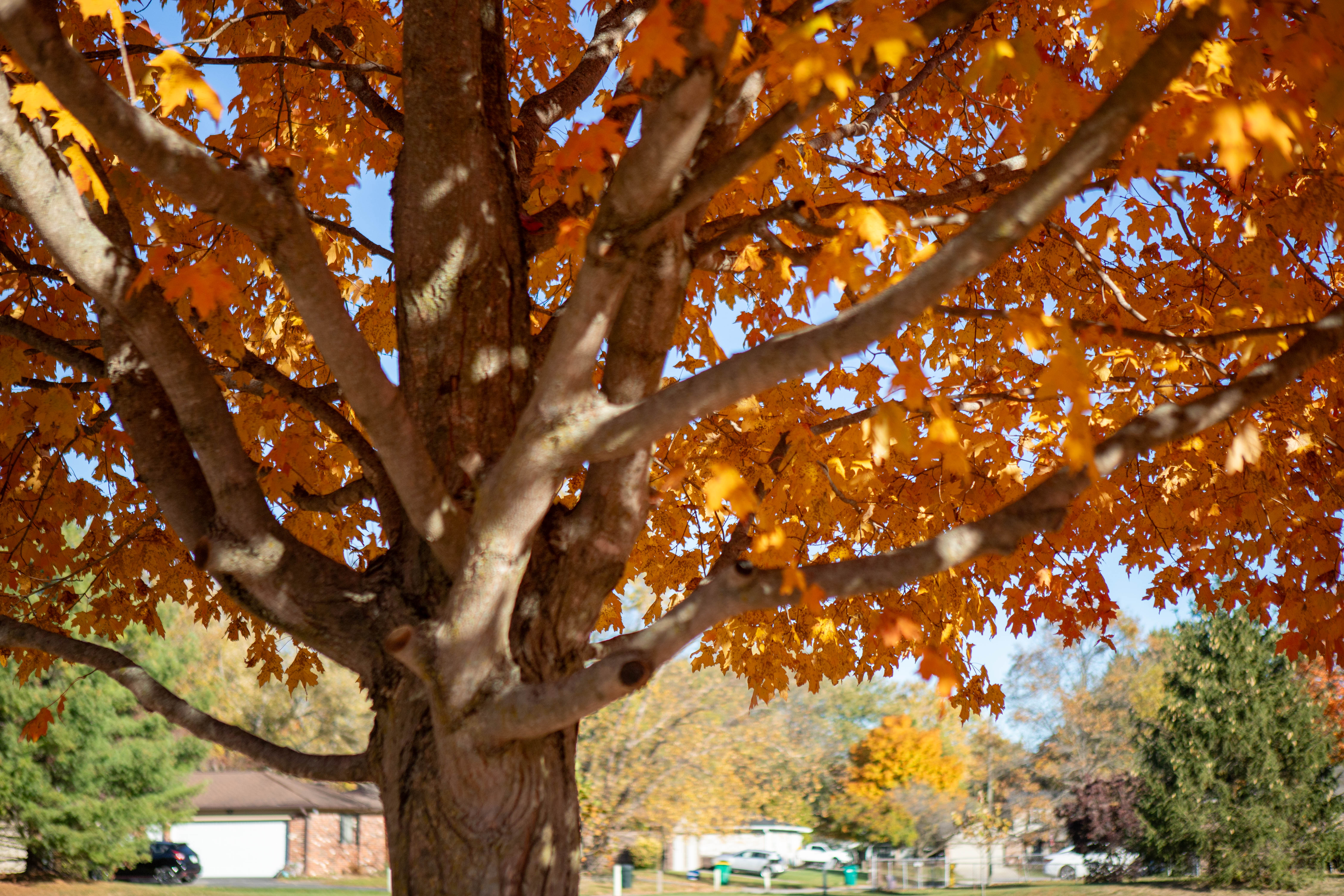
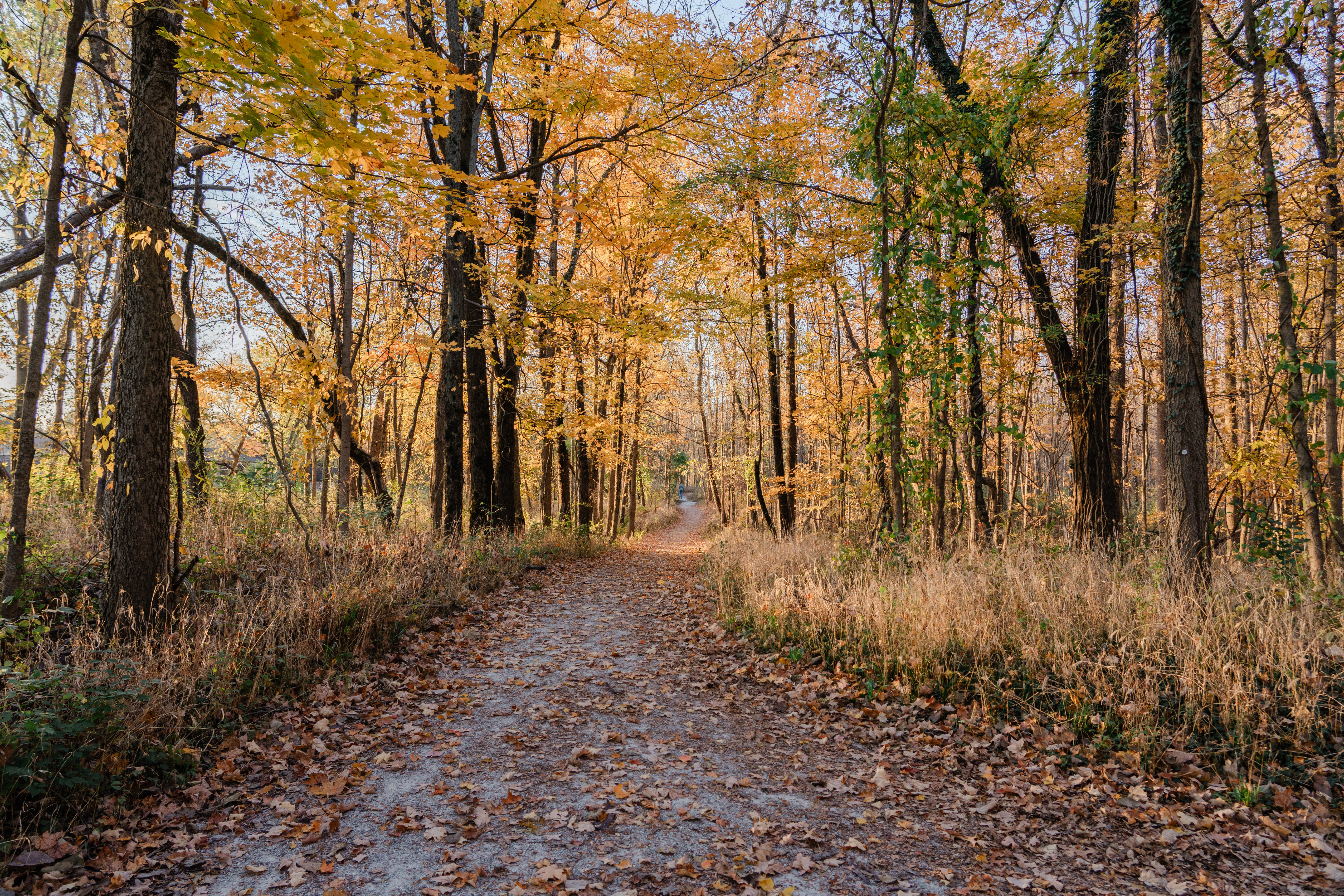
Take a walk through Brownsburg, and one thing quickly becomes clear: trees are an important part of what makes our community beautiful, healthy, and welcoming.
The Town’s Urban Forestry program, managed by the Parks Department, is dedicated to caring for and growing Brownsburg’s urban forest. From planting and maintaining trees in parks and public spaces to preserving existing canopy and educating residents, the program helps ensure future generations enjoy the many benefits trees provide.
In 2020, Brownsburg’s Urban Forestry Management Plan identified 4,426 public trees throughout the community, including trees located along streets, in parks, and along trails and greenways. The inventory documented 73 tree species, providing Town staff with valuable information to guide future planting and maintenance decisions.
Natural Resources Field Supervisor Hannah Baxendale leads the Town’s urban forestry efforts alongside a team of naturalists who care for trees throughout Brownsburg’s park system. As an ISA Certified Arborist, Baxendale is trained in tree biology, soil management, disease diagnosis, proper pruning techniques, safety, and tree risk assessment.
“Having arborists with this level of certification ensures that work is performed with a deep understanding of tree biology and best management practices,” said Parks Director Amber Lane. “Whether they’re protecting root zones from compaction or advising on plant health care, their knowledge helps preserve and strengthen the Town’s urban forest.”
A Diverse Canopy Is a Healthy Canopy
Building a diverse tree canopy is one of Brownsburg’s highest priorities. While planting more trees is important, having the right mix of trees is just as critical to creating a resilient urban forest.

Brownsburg follows nationally recognized urban forestry best practices to avoid relying too heavily on any single type of tree. This diversity helps protect the community from widespread tree loss caused by insects, diseases, and environmental stress. History has shown the importance of this approach. When the emerald ash borer spread through the region, many communities, including Brownsburg, experienced significant canopy loss.
The Right Tree in the Right Place
Selecting the right tree for the right location is an important part of the Urban Forestry program. Trees planted along roadways and in parking areas face unique challenges, including road salt, pollution, heat, compacted soils, and limited growing space.
Before planting, Town staff carefully evaluate each site, considering factors such as mature size, environmental conditions, disease resistance, stress tolerance, and long-term maintenance needs.
After planting, Brownsburg employs a proactive tree management strategy that includes regular inspections, routine pruning, young-tree training, watering, and strategic replacement planting. This approach helps extend the life of public trees while reducing long-term maintenance costs.
Investing in the Urban Forest
Trees are an important part of Brownsburg’s public infrastructure.
Brownsburg’s public trees provide an estimated $229,000 in environmental benefits each year. These benefits include cleaner air, reduced stormwater runoff, carbon storage, energy savings, shade, and improved quality of life for residents.
Planning for Future Growth
Urban forestry extends beyond parks and public spaces. During the development review process, Parks Director Amber Lane works closely with the Development Services Department to review landscape plans for new developments. While Town ordinances establish minimum landscaping requirements, additional recommendations may be provided regarding tree species, planting locations, site conditions, and tree protection measures.
The goal is to ensure that new growth contributes to a stronger urban forest.
Residents Can Help Grow the Canopy
Each April, the Parks Department celebrates Arbor Day with a community tree giveaway, where visitors can meet the Town’s arborist, learn about proper tree care, and participate in volunteer projects and family-friendly nature activities.
Throughout the year, the department also hosts Weed Wrangles to remove invasive plant species and support the growth of native forests. Last year, volunteers contributed 384 hours through Weed Wrangles and community tree plantings.
In the fall, the Town hosts its annual Tree Sale, offering a variety of quality tree species for residents to purchase and plant at home.
Growing for Generations
With a carefully managed inventory of more than 4,400 public trees, a commitment to species diversity, and ongoing investment in maintenance and planting, Brownsburg is taking a long-term approach to protecting one of the community’s most valuable natural resources.
“Trees are one of the few investments we make today that future generations will enjoy for decades to come,” said Parks Director Amber Lane. “Every tree we plant helps create cleaner air, healthier parks, and a more beautiful Brownsburg for everyone.”