Brownsburg, Indiana, a safe and growing town nestled in the heart of Hendricks County, is founded upon a rich history that continues to add to its vibrant community success. Tracing its roots back to the early to mid-1800s, Brownsburg has evolved from a small, modest settlement into a flourishing town that is home to over 30,000 residents, contributed to by its ongoing innovation and hometown charm.

Long before European settlers arrived, the land that became Brownsburg belonged to the Delaware (Lenape) Indians, who lived around White Lick Creek, a vital natural resource in the area. This creek, originally called “Wa-pe-ke-way” (meaning “white salt”), shaped both the physical and cultural landscape of the region. Over time, European settlement transformed the land, but the creek remains a defining feature of Brownsburg’s geography.
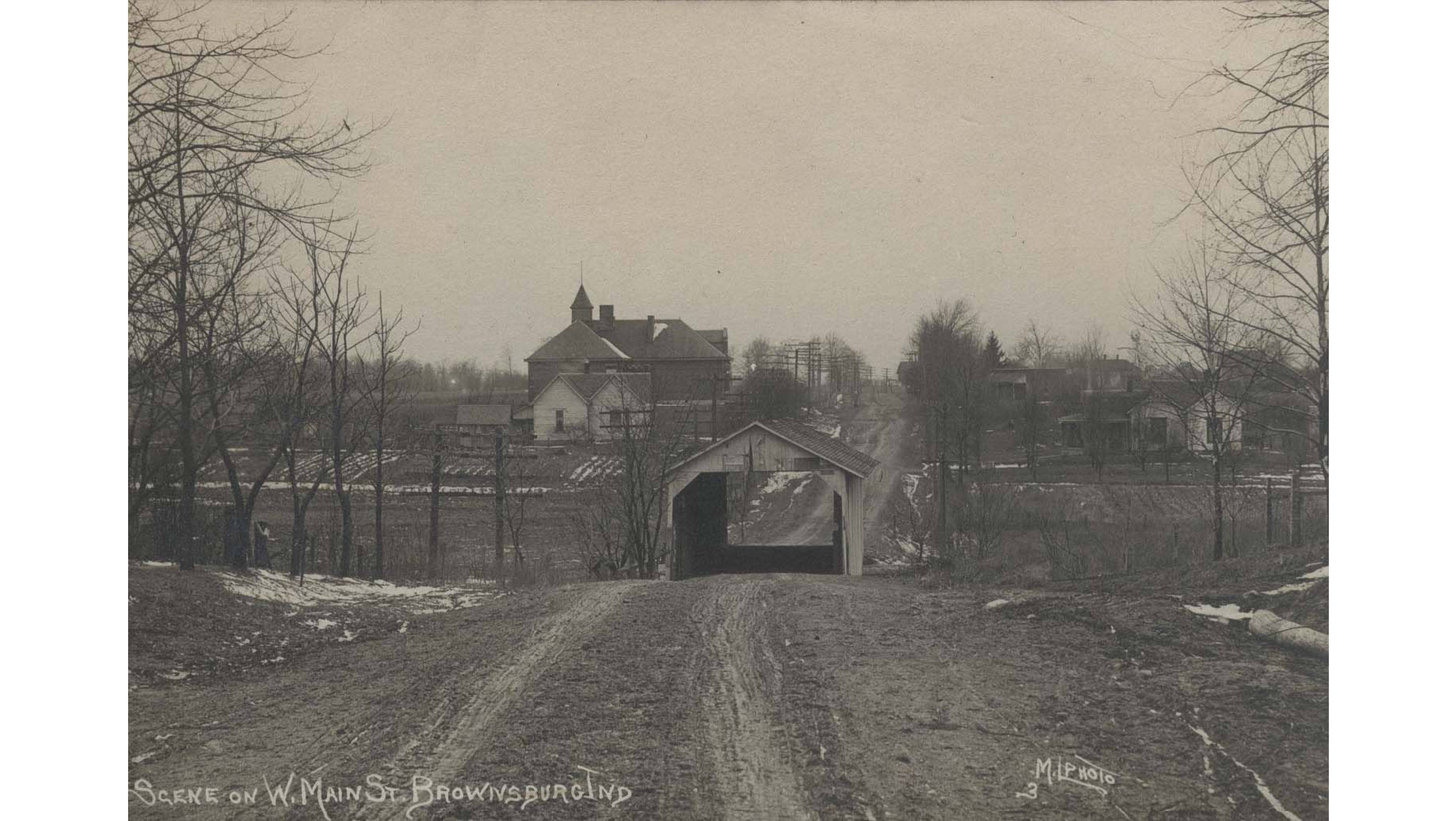
In 1824, Brownsburg gained its first settler in Brown Township, James B. Brown, originally from Kentucky. In 1835, William Harris began to establish land in what was known as downtown Brownsburg at what is now the intersection of Main Street and Green Street. Further, the town was named Harrisburgh as a contribution to the previously purchased land by Harris.

As the community grew, so did its infrastructure. In 1828, the first log schoolhouse was built. By 1917, a new two-story brick school opened on College Avenue, reflecting Brownsburg’s continuing commitment to education. The first church—a simple log structure—appeared around 1840.
The establishment of the first post office within the town was created in 1836, giving insight into another town in Indiana named Harrisburgh. Due to this observation, the name Brownsburgh was adopted after James B. Brown. The town’s incorporation began in 1848, but its growth was stunted during the Civil War, which began to prompt a second incorporation in 1870, holding local elections.
By 1863, Brown Township was divided into two areas: Brown Township to the North, named after James B. Brown, and Lincoln Township to the South, named after President Abraham Lincoln as a sign of support during the Civil War. Eventually, in 1893, the Town of Brownsburgh dropped the “h” from the ending of its name, officially becoming the town name we all recognize, Brownsburg.
Fun Facts
The town almost tripled in size from the 1840s to the 1870s due to acre expansion.
In 1917, the first two-story schoolhouse was built on College Avenue.
In 1942, the Brownsburg Fire Department was formed as a volunteer department.

Railroad lines have played a large part in Brownsburg’s history. In 1869, the Big Four Railroad opened service to Brownsburg, making a turning point for Brownsburg’s growth. The railroad brough goods, people, and economic opportunity, turning the town into a transportation hub.
By 1910, an interurban line began making daily trips between Indianapolis and Crawfordsville, with scheduled hourly stops in Brownsburg.

The Baltimore and Ohio (B&O) Railroad was completed in 1880, connecting Indianapolis to Springfield, Illinois. Eventually, the line connected to Baltimore, Maryland, by 1927. However, the nationwide decline in railroad traffic since World World II eventually reached this line, resulting in its abandonment in the early 1990s. In 1990, Brownsburg resident Diana Virgil founded the B&O Trail Association and began efforts to convert the former rail line to a trail, benefiting area communities. Today, the B&O Trail offers over 16 miles of paved trail from downtown Indianapolis and through Brownsburg.
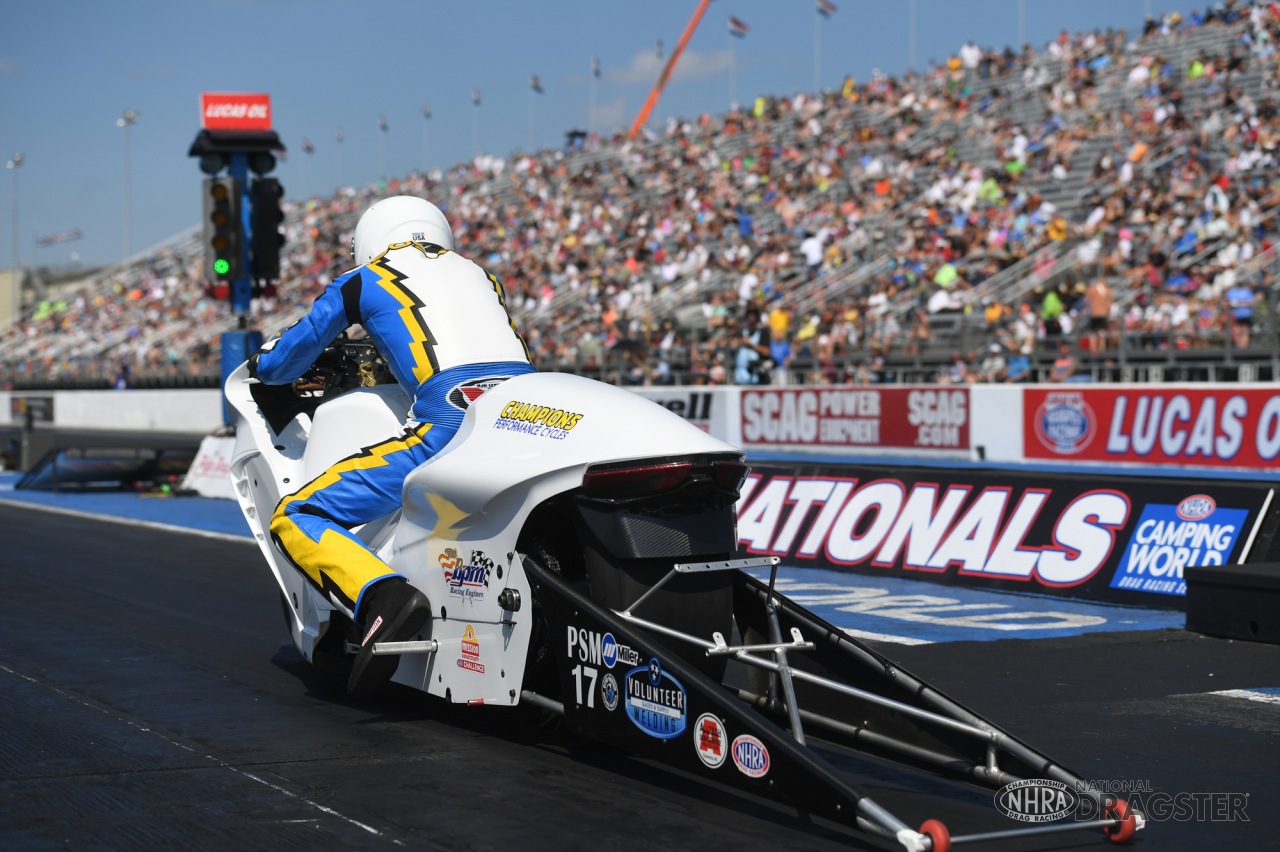
Brownsburg is home to the 300-acre Lucas Oil Indianapolis Raceway Park. In 1958, 15 Indianapolis racing professionals and business people invested $5,000 each to the park’s early establishment to develop a 15-turn, 2.5-mile course, along with a drag strip about a quarter mile in length. Thanks to the support given by the NHRA, the track hosted an inaugural event in 1960 to celebrate the completion of the drag strip. In the same year, IRP and NHRA founders established a deal to move to a new facility in 1961, when the first IRP race occurred. Due to this deal, Lucas Oil Indianapolis Raceway Park became the home of NHRA’s biggest annual event.
The NHRA then purchased the entire facility in 1979, which led to the construction of the four-story drag strip tower in 1983. Following this construction, in 1998, the facility spent $2.5 million on new advancements, adding new grandstands, suites, and a tower complex along the straightway. This included a complete resurfacing of the pavement track as part of a three-phase project.
Following this investment, many more improvements to the track were made throughout the years, resulting in the track we now appreciate. In 2009, the Town of Brownsburg annexed IRP into its town limits.

We owe so much to the pioneers of Brownsburg’s establishment.